

Curbs on speculation in oil probably would decrease volatility but push prices lower only in the short term, energy trading experts say.
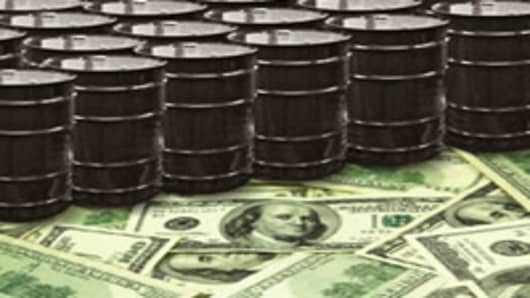
The Commodity Futures Trading Commission is weighing restrictions on non-commercial futures trading on the oil markets, deliberation that in itself has set off speculation about what would happen to oil prices that have swung in a $110 range just within the past year.
While the political objective seems to be preventing the types of unfettered runs US light, sweet crude experienced the past two summers, energy analysts said the actual results might disappoint.
"I'm not one that's going to tell you the direction is only going to be down," says James DiGeorgia, editor of the Gold and Energy Advisor online newsletter. "That may be a short-term result. In the long-term, all it's going to do is reduce volatility on the extremes."
Speculators, after all, can place bets in both directions, something the market has shown in vivid detail since the summer of 2008 dramatic run-up that ended with $147 a barrel in mid-July.
As demand dried up and the economy cratered in September, oil prices went into freefall, tumbling into the mid-$30 range by December. Another rally followed that sent oil prices above $70 at various times, though the trade is off this week and prices are trending lower on news that crude supplies increased at a higher-than-expected pace.
Opponents of the trading limits say the market is merely following normal moves that ultimately end up in proper price-setting.
"I have a hard time following the logic," says Ben Halliburton, managing director of Tradition Capital Management in Summit, N.J. "You had some evil speculators manipulate the price up in crude. How did they manage to exit their positions at profits? What happened to those evil speculators as the price of crude adjusted from $147 to the mid-30s?"
Darin Newsom, an energy analyst at DTN in Omaha, Neb., said the past $25 or so of last summer's oil run was probably due to speculation, but the price otherwise rose due to fundamentals.
"You had such momentum coming from the non-commercial/investment side that it carried well beyond where the fundamentals actually determined," he says. "A lot of this that is going on now is just a lot of hubbub. It doesn't really change the facts of what happened."
Moreover, Newsom thinks oil prices once again have outpaced fundamentals, and another violent correction is due for the market.
Indeed, demand figures continue to indicate use deteriorating, with the latest figures from the Energy Information Administration showing US crude supplies at their highest levels in more than six months.
Consequently, Newsom thinks oil is headed much lower—to a range of $17 to $25 a barrel as the annual trough hits in December. That will come, he says, regardless of what steps the CFTC says to drive speculators out of the market.
"The underlying fundamentals have been as bearish as they've been in quite some time. We have burdensome supplies to meet demand," he says. "The price needs to come lower to find some new buying."
Not everyone believes oil is heading lower.
DiGeorgia believes prices are going higher, due in part to expected economic growth coming next year. Other oil bulls see a trend in which investors fearful of huge government liquidity injections into the economy will turn to oil as a natural inflation hedge.
Such potential for upward price moves would only bolster the case of those targeting speculators.
"If the economy starts to turn around here in another year or so we're going to be right back in the same squeeze. We really haven't addressed that," DiGeorgia says.
In that case, less volatile oil trading would assuage some of the anxiety from those who've gotten headaches from dealing with the massive price swings of the past year.
"The best thing that could happen is we lose the big price swings, we have a more calm market. I wouldn't have a problem with that," says Sean Brodrick, natural resource analyst with Weiss Research's "Uncommon Wisdom Daily" newsletter. "Frankly, I've been getting ulcers from the way the markets have been moving. I wouldn't mind if it calms down a little bit."
