

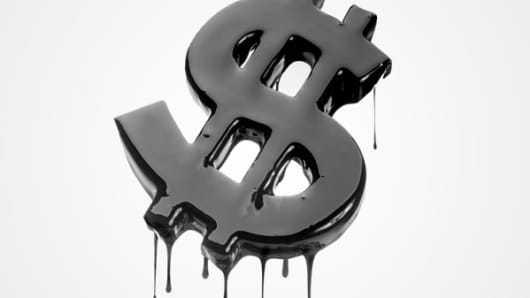
Let's see: we've got quantitative easing, low interest rates, and lackluster growth. What could possibly make the dollar rise?
John Shin has some ideas.
Shin, a currency strategist at Bank of America Merrill Lynch, has been looking for both short-term and longer-term factors that could take the dollar higher, and he has found that they all tie back to the trade balance.
For starters, Shin cites is the payroll tax. BofA economists expect the elimination of the payroll tax cut to put a dent in consumer spending. And while that will curb demand for U.S. goods, Shin says it usually has double the effect on imports. So ironically, lower consumer spending could actually be good for the trade balance.
Longer term, there is a more powerful factor: what Shin calls "the continually brightening domestic energy production picture." Increased shale oil output helps even the trade balance both by reducing the need for U.S. spending on foreign oil, and it helps the dollar even more directly by reducing the need for governments selling oil to the U.S. to diversify their reserves away from the dollar.
The shift in energy production is unlikely to have a meaningful near-term impact on the dollar, Shin says. Still, over time, "oil may evolve away from being a fundamental USD- negative force into a more neutral or positive one."
More generally, if the FX markets stop being regularly buffeted by headline risk and by worries about externalities like the Italian elections, fundamental factors like trade balances will play an underlying role in supporting the dollar, Shin says.
"Should there be increased normalization in FX and asset markets in general, US external imbalances have some possibility to morph into more of a neutral or positive force rather than remain a constant negative weight on the dollar."
You heard it here first.
