

U.S. mortgage applications rose after falling for three straight weeks, bouncing back from the lowest level in more than six years and overcoming a rise in home loan rates, an industry trade group said Wednesday.
The Mortgage Bankers Association said its seasonally adjusted mortgage application index, boosted by increased demand for both purchase and refinance loans, rose 10.9 percent to 557.1 in the June 6 week.
Thirty-year fixed home loan rates rose 0.07 percentage point to 6.24 percent, the highest since early March.
A year ago the rate stood closer to 6.60 percent.
In the worst U.S. housing market since the Great Depression, some signs are emerging that deep discounts are starting to entice buyers.
Pending sales of existing homes rose in April to the highest level in six months as bargain hunters were drawn in by double-digit price drops in some regions.
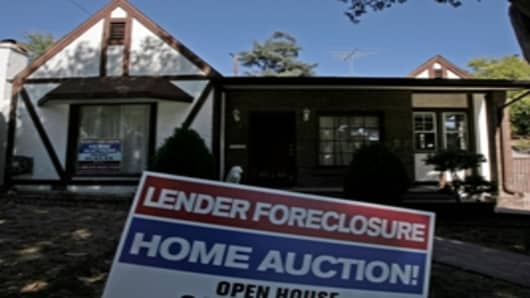
Record home foreclosures are dumping additional supply to already burdensome backlogs of unsold houses, increasing choices and depressing prices for buyers that are able to get mortgages from restrictive lenders.
However, the excess of homes and prospects for mounting foreclosures impede chances of a meaningful housing recovery this year, most analysts agree.
Henry Kaufman, president of financial consulting firm Henry Kaufman & Company said U.S. home prices have slumped 12 to 17 percent from their peak in the summer of 2006 "and it wouldn't surprise me to see a further decline, to 25 percent nationally in housing prices."
"There is still significant housing inventory that has to be worked through," he said at the Reuters Investment Outlook Summit in New York on Tuesday. "This will take us into next year."
The MBA's seasonally adjusted purchase index rose 12.8 percent to 376.2, and its refinancing gauge climbed 8.4 percent to 1,622.1 in the latest week.
Taken on a four-week moving average, which smoothes out volatility, the overall applications index is down 2.8 percent, the purchase index is up 1.7 percent and the refinancing measure is down 8 percent.
A year ago, however, the purchase index stood at about 465, almost 24 percent higher than its current level.