|
CNBC'S MOST SHARED
- Investing in Tech Now
- Warren Buffett Tells CNBC Consumer Sales Remain "Very, Very Soft"
- Software Giants Rush to Cash In on Carbon Counting
- Preparing for Retirement
- What You'll See On My NASCAR Documentary Tonight
- Warren Buffett's Complete Sun Valley CNBC Interview - Transcript and Video
- Microsoft Plays a Game of Bing Pong
- How exactly does Twitter plan on making money?
- Playing by Different Rules
- Nikkei on Track to Break 6-Day Losing Streak
- GM CEO Vows Leaner and Better Company To Emerge
- GM CFO Young: No Positive Cash Flow Until 2009
- Consumers' Mood Sours in Early July
- World Has Avoided Economic Disaster, Obama Says
- Less Demand for Fed's Emergency Backstops
- Claims Total Over 15,400 in Fraud by Madoff
- UBS Can't Comply with US Request: Internal Memo
- Cisco Cutting up to 2,000 Jobs, Analyst Says
- Treasury Sold Warrants Below Market Value: Panel
- Social Networking's 'Naked' Truth
- Farrell: Let's Enjoy the Numbers for a Moment
- Call Of Shame - Vote Now
- Schmidt on Social Media, Ads and Hulu
- 15 Stocks to Consider
- Maximum Bob Goes Full Throttle For GM
- Najarian: Options Get Bullish on Cisco
- Sun Valley on Social Media
- Four Hardware Stocks Upgraded by Goldman
The United States may be on course to lose its 'AAA' rating due to the large amount of debt it has accumulated, according to Martin Hennecke, senior manager of private clients at Tyche.
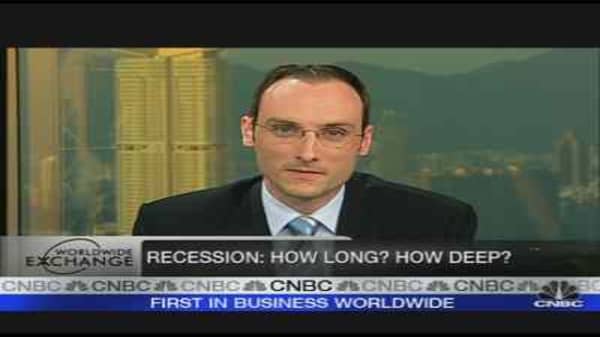
"The U.S. might really have to look at a default on the bankruptcy reorganization of the present financial system" and the bankruptcy of the government is not out of the realm of possibility, Hennecke said.
"In the United States there is already a funding crisis, and they will have to sell a lot more bonds next year to fund the bailout packages that have already been signed off," Hennecke told CNBC.
In order to solve or stem the economic slowdown, Hennecke suggested the US would have to radically reduce spending across all sectors and recall all its troops from around the world.
As for a stimulus package, there is not much of an industry left to stimulate back into life, Hennecke said.


