

Bank earnings may show some improvement in the first quarter, though the sector still has far to go in recovering from the credit crisis, well-known analyst Meredith Whitney told CNBC.
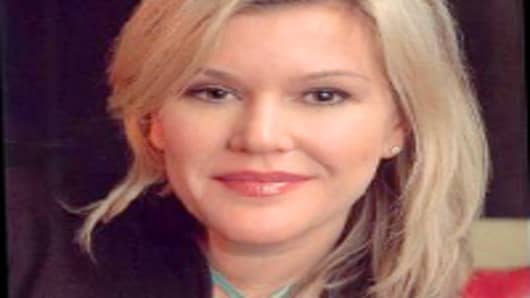
Meredith Whitney
"I think you’ll see a directional turn," Whitney said in a live interview. "Banks will make a little money, as little as a penny a share, but they won’t lose money."
- Banks 'Basically Insolvent': Soros
For that reason, she said investors should be careful shorting—or betting on further declines—in bank stocks right now.
"Lay off on shorts, and don’t buy into selloffs," Whitney said. "The fundamentals are not getting any better but capital ratios should get better."
Whitney, a former analyst at Oppenheimer who has her own firm, is renowned for calling out the problems with banks' toxic assets before the issue became widespread.
Whitney said the banks should be seeing some benefits from the revised mark-to market rules in the first quarter.
She also said she expected home prices to fall another 30 percent, contrary to some predictions that housing may have bottomed.
"Home prices cannot bottom while liquidity is still contracting from the economy," she said. She did say that large banks should benefit from low mortgage rates and refinancing.
Asked about comments from another well-known bank analyst, Michael Mayo, who said earlier Monday that banks' debt problems are far from over,Whitney said: "I think that’s out there. There’s nothing out there that would cause anyone to believe they’d be different ... but tangible ratios could be better."
Mayo is former Deutsche Bank analyst who now works for CLSA's Calyon Securities, remains negative on the sector. His comments sent most bank stocks lower on Monday, which helped pull the overall market down.
Whitney also said that JP Morgan Chase booking a profit in the 4th quarter should not be viewed as a bottom for the financials.
Whitney did say that she thought that the upcoming stress tests by the government for the banks could mean a grim time for the financials at the end of April, when the tests are concluded.
"After stress tests come out, you’ll see some banks that didn’t pass," said Whitney. "I don’t think we get out of the woods until mid 2010, but that doesn’t mean you can’t find a trading opportunity."
Among the other points Whitney made in the interview:
- Peak to trough levels for home prices will be over 50 percent
- Liquidity continues to be drained from the system
- More consumers become stressed and unable to service debt burdens.