![]()
- US Job Losses to Bottom out Next Quarter: NABE
- Late Payments on Credit Cards Drop in Third Quarter
- Smallest US Businesses Borrowing Again: PayNet
- Little Sign of Inflation on the Horizon: IMF
- Kraft Weighs Higher Cadbury Bid as Rivals Circle
- MBS Program Should be Extended: Fed's Bullard
- JPMorgan's Dimon Could Succeed Geithner: Report
- Wall Street Finds Profits by Reducing Mortgages
- Microsoft, News Corp Weigh Online News Pact
- CNBC VIDEO: Warren Buffett & Bill Gates 'Walk & Talk' at Columbia University
- U.S. Stocks Slip, Dollar Rises
- How Stock Investors Can Play Holiday Travel
- Time Lapse World Series Is A Great Play
- Hirschhorn: Greed...or Fear
- My Top 10 Tech Toys for the Holidays
- iPhone a Better Gaming Platform Than Android?
- May Day For Dendreon
- 100% Mortgage Financing From USDA
MOST SHARED
- Wall Street Finds Profits by Reducing Mortgages
- CNBC VIDEO: Warren Buffett & Bill Gates 'Walk & Talk' at Columbia University
- What if a Recovery Is All in Your Head?
- Kraft Weighs Higher Cadbury Bid as Rivals Circle
- China Should Stop Property Stimulus Now: Central Bank
- China Wind Power Reportedly Seeking $2.2 Billion in IPO
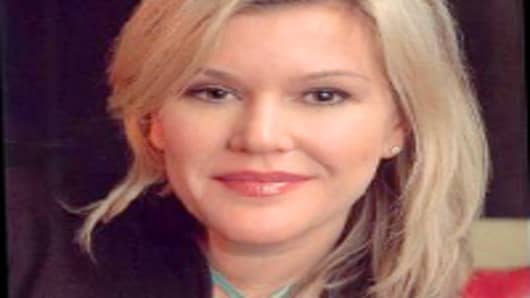
Banks are overvalued and the government enabled them to have better first quarter earnings than they should, well-known analyst Meredith Whitney told CNBC.
![]() |
Meredith Whitney |
"At a core basis, I would not own these stocks," Whitney said in a live interview. "Their business models are not going to come back."
Whitney, a former analyst at Oppenheimer who has her own firm, is renowned for calling out the problems with banks' toxic assets before the issue became widespread.
"This is the great government momentum trade," Whitney said on why bank stocks had seen some improvement lately. "But the underlying core, earnings power of these banks is negligible."
Whitney also said that consumer spending is still going to remain slow. "There's a massive retraction in consumer liquidity," said Whitney. "Credit contraction is happening at an accelerated pace. Consumer spending is going to be less than people expect going forward."
She cited Bank of America [BAC
Loading...
()
] as an example of credit contraction. "They cut more than $200 billion in credit card lines in the first quarter of this year," said Whitney. "Consumers are not going to spend money."
Whitney also said that the rules of trading have changed because of the government's role. "For investors, you invest on what you know to be the rules of the game," said Whitney. "But with the government involved, no rules apply."
Whitney said the changing rules create a big problem for investors going forward. "The biggest danger here is having the retail investor shout out for a period of time because they don't know who to trust on market values."
- Technology can make or break a fortune in the world of alternative energy.
- Warren Buffett and Bill Gates discuss the economy and other subjects with CNBC's Becky Quick.
- Many people are facing the holidays with substantially smaller incomes. Here’s how some are adapting.
- The Victoria's Secret Fashion Show attracts a big TV audience every year, but this year it may take on even more importance.
- Jim Cramer is a proponent of stocks that pay healthy dividends, and here are his top five dividend plays.
- CNBC’s technology reporter Jim Goldman guides you through the best gadgets to buy this holiday season.


