- The Richest Members of the US Congress
- New Consensus Sees Stimulus Package as Worthy Step
- Wall Street Jobs Slow to Return Despite Record Profits
- Thanksgiving Week Stuffed With Economic News
- Black Friday Deals May Not Signal Retail Comeback
- Investors to Goldman: Be Less Greedy
- UPS Sets New Rates For 2010
- Victoria's Secret Hopes to Rekindle Desire for Lingerie
- 'New Moon' Takes Record $72.7M Box Office Bite
- How Stock Investors Can Play Holiday Travel
- Time Lapse World Series Is A Great Play
- Hirschhorn: Greed...or Fear
- My Top 10 Tech Toys for the Holidays
- iPhone a Better Gaming Platform Than Android?
- May Day For Dendreon
- 100% Mortgage Financing From USDA
- Holiday Tipping: Who And How Much
- Deep Discounts Should Make It a Very Tech-y Holiday
We haven't seen the last of the crisis despite all talk about green shoots, and the surge in markets was caused by nothing more than the excess liquidity coming from central banks, Marc Faber, author of the Gloom, Boom and Doom Report, told CNBC Friday.
"If you pump money into the system and you create large fiscal deficits, you create volatility," Faber said.
"We've seen an intermediate low in March, we'll rally for a year or so or maybe 18 months… the ultimate crisis will happen much later, and the ultimate crisis would clean the system," he added.
Asked when this would be, he said he could not forecast a precise timing: "it may be 5 years time, 10 years time, but that's not the last crisis."
There are two opposing views, those who believe deflation is the big danger, with asset prices and demand collapsing, and those who think the biggest risk is inflation and a weak dollar, Faber said.
![]() |
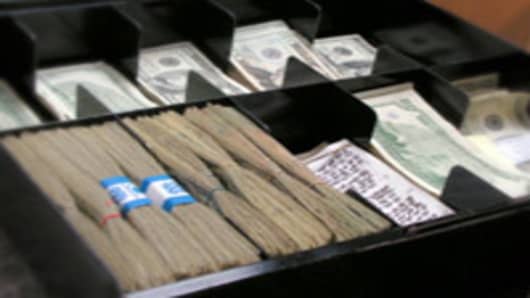
"In general in a crisis such as we have today where there is a deficiency of demand and huge overcapacity under normal conditions you would have deflation… now comes in the government and creates these huge deficits," he added as an explanation for his belonging to the "inflationists" camp.
"Already you have money-printers Mr. Bernanke and Mervyn King… we have never had this experiment in the history of mankind, all governments throwing money at the system," Faber said.
One way of dealing with the crisis would be to fire half the government workers in the world, "because if you shift government activity to the private sector the economy becomes more dynamic," he said.
"It's a transition time that is maybe painful. Why does California have these problems? It's not that there are too many teachers in California but the education department is very bloated," Faber added.
- Technology can make or break a fortune in the world of alternative energy.
- Many people are facing the holidays with substantially smaller incomes. Here’s how some are adapting.
- Jim Cramer is a proponent of stocks that pay healthy dividends, and here are his top five dividend plays.
- From salt, to lip balm to envelopes, it turns out that bacon flavoring can sell almost anything.
- The homebuyer's tax credit jacked sales for a while, but 2010 is looking weak. Now what?
- CNBC’s technology reporter Jim Goldman guides you through the best gadgets to buy this holiday season.


