Skip navigation


Current DateTime: 01:47:39 10 Feb 2012
LinksList Documentid: 35933407
  • The 10 Emptiest US Cities

      It’s no secret that the U.S. housing market has seen better days. So, what are the emptiest major U.S. cities?

  • Most Expensive States

      Your dollar won't get as far in these ten states. Which states are the most expensive to live in?

  • Inspired Homes

      From the Simpsons TV show, to the White House to Snow White, here are homes inspired by others.


Current DateTime: 01:47:39 10 Feb 2012
LinksList Documentid: 23452764
Expiration DateTime: 2/10/2012 1:48:24 AM

MOST SHARED


Current DateTime: 01:47:40 10 Feb 2012
LinksList Documentid: 31330905
Expiration DateTime: 2/10/2012 1:48:45 AM

MOST POPULAR


Current DateTime: 01:47:40 10 Feb 2012
LinksList Documentid: 35819650
    • Road Warriors

        All the gadgets and gear a savvy frequent traveler needs to navigate the global economy.

HOT ON FACEBOOK

Housing Shows Stablization, Led By Strong Demand

Published: Monday, 10 Aug 2009 | 3:14 PM ET
Text Size
By: CNBC.com

AP

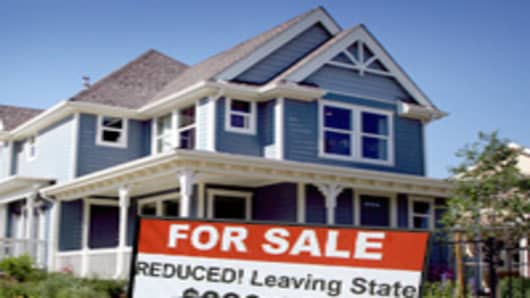
The worst is over for the housing market, as low interest rates and strong demand are bringing stabilization to the pressured sector, said Patrick Lashinsky, President and CEO of ZipRealty.

"We've gotten supply better under control, new homebuilders aren't putting as many homes on, we've got demand in a good place, [and] interest rates are in a good position," Lashinsky told CNBC.

Home listings fell month over month in July, resulting from an increase in buyers, and from sellers taking their homes off the market because of consecutive price reductions. Inventory is down in several major cities, including a 6.5 percent decrease in Las Vegas and a 4.7 percent increase in Orlando, Lashinsky said. Both cities were among the hardest hit by the housing downturn.

Video: ZipRealty CEO Patrick Lashinsky discusses what appears to be stabilization in the housing market.

Although this will likely create a shadow inventory — an increased supply of for sale homes down the line — it won't be significant enough to cause another housing downturn, Lashinsky said.

"People are waiting to get to a price point and a place where they feel comfortable selling their homes, and that's going to be over a period of time," he said. "It's not going to be a switch that gets flipped and everyone just decides to put their homes on the market."

Lashinsky predicts there will be one more wave of foreclosures in the next three to five months, but the inventory will quickly be absorbed by demand.

Last week, ZipRealty announced that fewer home sellers reduced their asking prices in July, but prices on more than 40 percent of homes had been cut at least once.

© 2012 CNBC.com


Current DateTime: 11:43:35 09 Feb 2012
LinksList Documentid: 29778428

Current DateTime: 11:56:47 09 Feb 2012
LinksList Documentid: 29779196

Current DateTime: 10:08:28 09 Feb 2012
LinksList Documentid: 29779197

Current DateTime: 10:56:22 09 Feb 2012
LinksList Documentid: 29779199
CNBCCNBC
About CNBC  |  Site Map  |  Video Reprints   |  Advertise  |  Help  |  Contact
Privacy Policy  |     |  Terms of Service  |  Independent Programming Report
  Data is a real-time snapshot  *Data is delayed at least 15 minutes
Global Business and Financial News, Stock Quotes, and Market Data and Analysis

© 2012 CNBC LLC.  All Rights Reserved.
A Division of NBCUniversal
Thomson ReutersThomson Reuters