

Regional banks are going to become less profitable because of tighter financial regulations and are likely to close thousands of bank branches to cut costs, analyst Meredith Whitney told CNBC.
cnbc.com
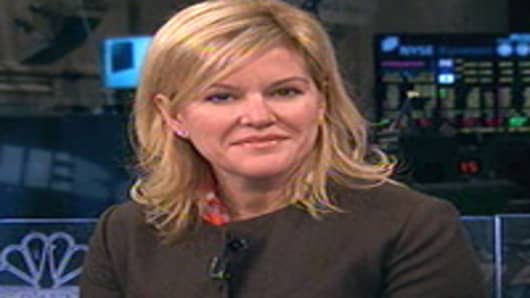
Meredith Whitney
Even though the Republican election has raised hopes that increased regulatory efforts will slow down now, the climate for regional institutions has become too difficult and those institutions have become overvalued, she said.
Whitney said she is selling regional bank stocks.
"Basic retail banking becomes a lot less profitable...so I think we're going to have at least 5,000 branches cut," said Whitney, president of Meredith Whitney Advisory Group. "That's going to be disruptive to the entire banking community. You're going to see the banking community shrink because they have to because the profits have gone down so much."
Banks also face trouble ahead with the foreclosure crisis.
Attorneys general across the country are probing the industry for irregularities in issuing mortgages during the housing boom of the previous decade, as well as the way mortgage-backed securities were packaged for investors.
Whitney called the problems "Tobacco 2.0" primarily for how long the scandal will play out rather than the financial damage it will cause the industry.
"The tobacco lawsuits went for 40-plus years. I think these mortgage issues are going to go on for decades," she said. "You're going to have decades of lawsuits on people buying securities and being left with stuff they didn't intend to buy."
A Republican victory in last week's elections that will see the GOP hold a House majority for the first time in four years could be helpful to the overall economic climate if its leaders are willing to move forward and not simply be obstructionists, she added.
"Republicans are naturally more business-friendly. They're going to make stronger cuts, they're going to be less aggressive on tax hikes," Whitney said. "A lot of the story has played out—there's not much wriggle room left for Republicans. They have an opportunity to really make amazing strides heading towards the 2012 elections if they do the right things. But if they keep bickering on polar sides of the aisle they're really going to have a problem."
State governments, which also swung heavily Republican in the elections, face severe problems as well, particularly with debt and deficits. Whitney said New Jersey has the greatest obstacles but the damage is widespread.
She predicted two million layoffs among the nation's 19.4 million government workers.
The second leg Federal Reserve policy to stimulate growth and drive down rates by buying Treasurys—a program often referred to as quantitative easing, or QE—isn't helping, she said.
"It seems as if the market expects Oprah Winfrey to jump out of a cake and give away free cars with QE2," Whitney said. "Does QE2 help middle America? No, it just makes everything more expensive for middle America. I think that is a complicated policy and a dangerous policy to take things that much further."
