

Banks flooded the Federal Reserve with billions of dollars in “junk bonds” and other low-grade collateral in exchange for much-needed liquidity during the crisis, as the financial sector struggled under a crippling credit crunch, new data show.
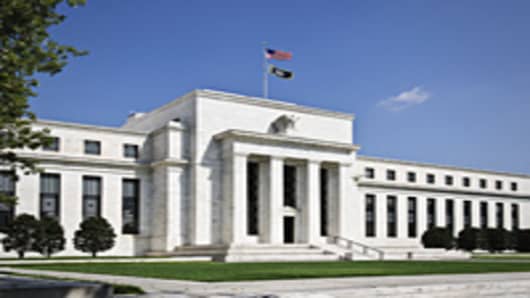
Tetra Images | Getty Images
United States Federal Reserve
More than 36 percent of the cumulative collateral pledged to the US central bank in return for overnight funding under the Primary Dealer Credit Facility was equities or bonds ranked below investment grade. A further 17 percent was unrated credit or loans, according to a Financial Times analysis of Fed data released this week.
Only 1 percent of the collateral was Treasury bonds, which are normally used in transactions between banks and the monetary authorities.
The Fed created the PDCF in March 2008 after the demise of Bear Stearns to ease investment banks’ liquidity problems. At the time, it allowed banks to pledge only investment grade-rated collateral. But after the failure of talks to save Lehman paved the way for its bankruptcy, the Fed broadened the collateral requirements to include any asset that could be used in the tri-party repo system.
Investment banks responded by using their inventory of equities and other low-grade securities to borrow from the Fed. The Fed protected itself by imposing larger “haircuts” on riskier securities and emphasizes that all of its emergency lending was paid back in full with interest.
Within a day of easing the collateral requirements, Credit Suisse had borrowed $1 billion from the PDCF, using it for the first of only two times, against a collateral portfolio that was made up of 91 percent equity.
Credit Suisse declined to comment but people familiar with the situation said the two deals were tests to check whether the system was working.
By the following Monday, 41 percent of all collateral pledged against PDCF borrowing by several banks was equity, and another 11 percent was sub-investment grade bonds. At its peak – on September 29, 2008 – the Fed had exposure to $86bn of equity and sub-investment grade debt as PDCF collateral.
Morgan Stanley and Merrill Lynch were among the largest pledgers of low-grade collateral in the turbulent weeks that followed the collapse of Lehman Brothers in September 2008.
Morgan Stanley and Merrill declined to comment, but people close to the situation stressed that the loans had been repaid in full and that the collateral met the Fed’s requirements.