

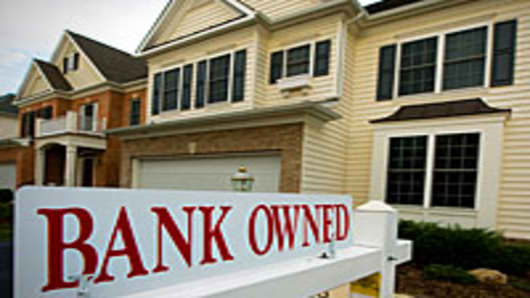
It's the next big shoe to drop in the robo-signing foreclosure scandal. Call it part two.
We already know some banks halted foreclosure sales nationwide in October when it was discovered that servicers took short cuts, so-called "robo-signing" in the foreclosure sale process in judicial foreclosure states - about half the country.
Now it appears they may have done the same thing in a different part of the process, the Notice of Default, which takes place in the other half - i.e. the non-judicial states - this happens before the foreclosure sale.
(Judicial foreclosures are those that are processed through the courts whereas non-judicial are processed without court intervention.)
A Notice of Default is the notice sent out in non-judicial foreclosure states that alerts the borrower that the official foreclosure process has begun. It is also filed with the county recorders office and allows the notice of foreclosure sale to be published. What's so important is that this is the process in California, Nevada and Arizona (AZ is both judicial and non-judicial), which have three of the top four foreclosure rates.
Last week an article from American Banker titled, "New Point of Foreclosure Contention: Default Notice" circulated widely among the folks who follow the mortgage mess. It talked about how several lawsuits are now being filed contending that the Notice of Default process was flawed and the foreclosure therefore invalid.
As this article was circulating, a source pointed me to the fact that Notices of Default had dropped off dramatically since October, especially in California. In fact, Foreclosure Radar shows it quite clearly. Foreclosure Radar's Sean O'Toole wasn't ready to say the banks had cut off Notices of Defaults but did say, "given the issues raised, we certainly wouldn't be surprised to see a slow down of foreclosure activity in non-judicial states."
So we contacted Bank of America , and spokesman Dan Frahm said:
"As part of our voluntary, comprehensive review of the modification and foreclosure process we launched in October of 2010, we did conduct a review of the Notice of Default process. As a result, we stopped the NOD process in the non judicial states while we completed that review and, later, implemented and tested the resulting process improvements. We announced in December our foreclosure restart – starting with vacant and non-owner occupied properties – and ramp up of that volume continues, as does the related NODs."
They then said they had "improved" the process, and we would see volume increase soon, if not already. "Based on the American Banker story you referenced and the notion this is the potential next issue, I feel good knowing we addressed NOD as part of our rigorous voluntary review and testing process," added Frahm.
JP Morgan Chase is still getting back to us. Wells Fargo tells us they did not stop NOD's.
