

The U.S. dollar will lose its status as the global reserve currency over the next 25 years, according to a survey of central bank reserve managers who collectively control more than $8,000 billion.
AP
More than half the managers, who were polled by UBS , predicted that the dollar would be replaced by a portfolio of currencies within the next 25 years.
That marks a departure from previous years, when the central bank reserve managers have said the dollar would retain its status as the sole reserve currency.
UBS surveyed more than 80 central bank reserve managers, sovereign wealth funds and multilateral institutions with more than $8,000 billion in assets at its annual seminar for sovereign institutions last week. The results were not weighted for assets under management.
The results are the latest sign of dissatisfaction with the dollar as a reserve currency, amid concerns over the U.S. government’s inability to rein in spending and the Federal Reserve’s huge expansion of its balance sheet.
“Right now there is great concern out there around the financial trajectory that the US is on,” said Larry Hatheway, chief economist at UBS.
The U.S. currency has slid 5 percent so far this year, and is trading close to its lowest ever level against a basket of the world’s major currencies.
Holders of large reserves, most notably China, have been diversifying away from the dollar. In the first four months of this year, three quarters of the $200 billion expansion in China’s foreign exchange reserves was invested in non-U.S. dollar assets, Standard Chartered estimates.
The prediction of a multipolar currency world replacing the current dollar dominance chimes with the thinking of some leading policymakers.
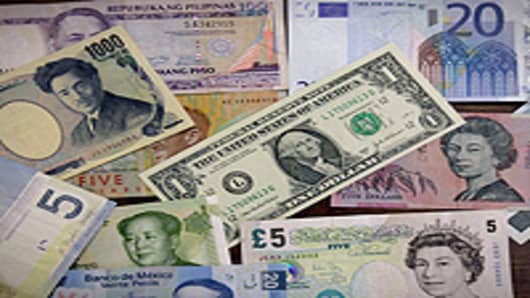
Robert Zoellick, president of the World Bank, last year proposed a new monetary system involving a number of major global currencies, including the dollar, euro, yen, pound and renminbi.
The system should also make use of gold, Mr Zoellick added. The results of the UBS poll also point to a growing role for bullion, with 6 percent of reserve managers surveyed saying the biggest change in their reserves over the next decade would be the addition of more gold. In contrast to previous years, none of the managers surveyed was intending to make significant sales of gold in the next decade.
Central banks have bought about 151 tonnes of gold so far this year, led by Russia and Mexico, according to the World Gold Council, and are on track to make their largest annual purchases of bullion since the collapse in 1971 of the Bretton Woods system, which pegged the value of the dollar to gold.
The reserve managers predicted that gold would be the best performing asset class over the next year, citing sovereign defaults as the chief risk to the global economy.
The yellow metal has risen 19.5 percent in the past year to trade at about $1,500 a troy ounce on Monday, buoyed by the emergence of sovereign debt concerns in the US as well as eurozone debt woes.