

Being popular is proving to be a bad thing for luxury retailer Louis Vuitton in China. The brand sells so well there, which is its second-largest market in the world, that it is becoming too common.
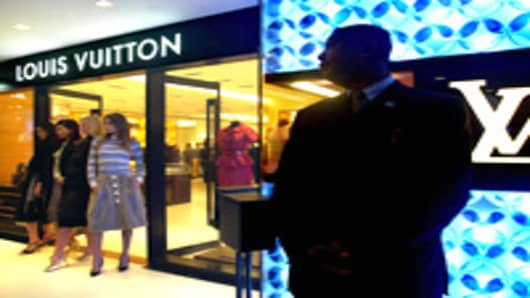
Phillippe Lopez | AFP | Getty Images
The grand opening Louis Vuitton shop in Hong Kong.
Lately, instead of China’s wealthy, the middle class has been fueling sales at Louis Vuitton.
Twenty-six-year-old Cherry, a secretary at a financial services firm in Shanghai, told me she scrimped and saved from her $800 a month salary to buy a $1,000 Louis Vuitton bag because she loves “the feeling” of carrying it when out with friends.
There are tens of millions of Chinese women like Cherry who aspire to buy aLouis Vuitton handbag and millions are actually buying it.
Cherry’s desire to save up to buy a Louis Vuitton is becoming a double-edge sword for the brand. It means it will have years of growth there as incomes rise but its mass appeal also risks undermining its exclusive positioning.
My firm conducted interviews with several dozen mega wealthy with investible assets of more than $10 million. The majority told us they no longer wanted to buy Louis Vuitton. As a woman in Beijing, who is worth billions, said, "Louis Vuitton has become too ordinary. Everyone has it. You see it in every restaurant in Beijing. I prefer Chanel or Bottega Veneta now. They are more exclusive."
Soaring wealth and obsession with luxury products provides huge opportunities for luxury retailers. The number of Chinese millionaires are estimated to more than double in the next five years. The Hurun Report estimates there are 271 billionaires, up from 189 in 2010. That growth is also causing challenges for Louis Vuitton and other historically dominant players like Zegna and Omega to maintain market share because the truly wealthy no longer want to buy the same fashion brands everyone else has.
Wealthy consumers looking to differentiate from the masses provide an opportunity for luxury brands like Chloe, Hermes, and Patek Philippe that target the ultra rich. Our research suggests that mega rich Chinese are less likely than ever before to buy the same brands as everyone else with the same big logos to show off status.
They are moving more towards inconspicuous consumption in handbags and apparel while becoming more flamboyant in auto purchases and jewelry to show status, which is why sales there of Ferraris and Lamborghinis are soaring.
One wealthy man in Beijing told me, “Everyone can buy Louis Vuitton now, but not many can buy a Bentley.”
To see what could happen to Louis Vuitton unless it can improvise, take a look at luxury auto firm Audi. Audi is growing in China and expects to sell 300,000 units there in 2011 up 29 percent from 2010, but still its market share has tumbled 25 percent in the last two years as wealthy Chinese prefer sexier and more indulgent brands like BMW and Porche.
J.D. Powers, a global marketing information services firm that focuses on the auto industry, estimates Mercedes will grow 38 percent this year, while BMW will grow 63 percent.
To stave off competition from very exclusive brands, and premium brands like Coach, Louis Vuitton is going to have to spend more on marketing to maintain its exclusivity. So far it has kept ahead of the curve, launching multi-story flagship stores in key shopping areas and marketing initiatives in conjunction with the Beijing National Museum.
Celebrity endorsers like Angelina Jolie also help add luster. These initiatives are key to maintaining status but will become increasingly costly, squeezing margins, as rent and labor costs go up.
Louis Vuitton’s parent group, LVMH , should consider more acquisitions at the higher end to capture wealthy consumers tiring of its flagship brand. It has bought stakes in Hermes but should try buying high-end brands outright to capture the truly wealthy segment.
China is the market to win for luxury brands. Despite the rocky global economy the demand for luxury products continues to soar. Brands need to understand that China’s ultra wealthy are becoming more sophisticated and not just looking for flashy logos and brands that everyone has. At the uber rich level, there exists the opportunity to capture market share by differentiating the brand. Three years ago, everyone wanted Louis Vuitton. That is no longer the case.
Shaun Rein is the founder and managing director of the China Market Research Group (www.cmrconsulting.com.cn) a strategic market intelligence firm, and is based in Shanghai.
He is the author ofthe upcoming book “The End of Cheap China: Economic and Cultural Trends that will Disrupt the World”published by John Wiley & Sons in the U.S. He does not own shares in any company mentioned. Follow him on Twitter at @shaunrein.