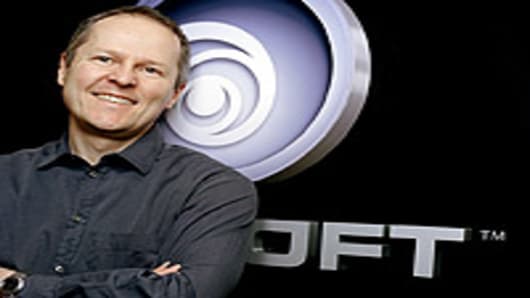
Next generation, estimates Guillemot, top tier games will likely average $60 million to make.
The ramifications for that are unknown. It could mean higher retail prices or lower return on investment. Ubisoft hopes to supplement the cost by reusing assets in the film community (as it is currently doing with its game adaptation of James Cameron's "Avatar".)
High development costs for game makers will just as certainly mean high production costs for console makers. That's part of the reason Microsoft, Sony and Nintendo are working hard to extend the life cycle of the current generation of game machines.
Microsoft is the most ambitious of the console makers, saying it plans to market the launch of its recently announced "Project Natal" motion-sensing controller as prominently as it marketed the launch of the Xbox 360. In essence, Natal’s launch will be a next generation launch of sorts.
Guillemot says he is excited about Natal, but he suspects consumers may be a bit more impatient than console makers believe.
"[Natal] is one step, but quickly they will take the other step — pushed by the environment," he says. "For us, the current machines are very powerful and we can do high quality work. I'd like to stay with this generation as long as possible, but my customers will want the best machine possible."
One thing that could move up the timetable for console makers is the move to make a gaming system that streams games directly to your TV or computer. OnLive is a company that’s attempting that and showed a working prototype earlier this year. Ubisoft and Electronic Arts have already pledged to support the service.
The idea behind OnLive is the company’s servers will run the game, and send a videostream through your home’s Internet connection. Your controller and button mashes are sent via the Internet to OnLive's servers. The experience, though, is seemless — as if you were playing a copy on a machine at home.
It's early technology, but one with promise — and, according to Guillemot, it could shake up the timetables of console makers
"If somebody comes out with online — if OnLive manages to make this work — we will have a next generation of systems sooner than currently planned," he says.